



高压 PX
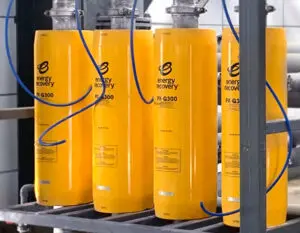
包括我们的黄金标准 PX Q系列,我们的高压 PX 产品为大型和小型反渗透海水淡化(SWRO)系统提供先进的能量回收效率。
处理工业流程和废水流通常需要在反渗透系统中随着盐度或浓度的增加而提高操作压力。因此,能源消耗成为这些系统中最大的运营成本之一,并且设计复杂性也随之增加。如果没有高效的压力能量回收系统,项目可能会面临高昂的运营成本和严峻的经济挑战,尤其是在高压或高浓度应用中。

PX技术可在高压反渗透和浓缩循环过程中回收并重复利用压力能,从而降低工业应用中生产工艺用水、再生水或回收水所需的能源。

通过降低最高压力下的电力需求,PX 有助于管理工业工艺用水、循环利用和回收系统中的生命周期成本和能源消耗,而能源是这些系统中主要的运营成本。

凭借30多年在高盐度反渗透领域的经验以及在全球安装的超过35,000台PX设备,PX技术为工业流程和废水处理应用提供值得信赖且经过现场验证的能量回收解决方案。PX通常安装在高压反渗透或浓盐水浓缩回路中,将浓缩液流的压力能量回馈到进料流中。
包括我们的黄金标准 PX Q系列,我们的高压 PX 产品为大型和小型反渗透海水淡化(SWRO)系统提供先进的能量回收效率。

在超高压应用中低成本零或最小液体排放(ZLD 或 MLD)废水处理的关键。
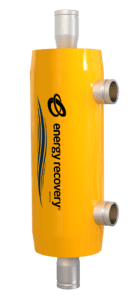
我们的低压 PX 解决方案适合咸水反渗透和饮用水、非饮用水、农业和工业用水再利用,可节省大量能源并且易于集成。
High solids and harsh process streams (often described as high-TDS or challenging brine wastewater) refer to industrial wastewaters that contain elevated salinity, suspended solids, organics, or aggressive chemistries that make treatment more difficult and expensive. These streams often require high-pressure RO or concentration steps to recover water, reduce disposal volumes, or enable downstream resource recovery. Applications like mining brines, lithium battery wastewater, coal chemical effluent, and other industrial blowdowns commonly fall into this category. Typical treatment trains may include pretreatment → high-pressure RO → brine concentration, depending on the stream and recovery target.
High-solids and harsh process streams often contain elevated salinity, dissolved solids, or aggressive chemistries that require higher operating pressures to treat effectively with reverse osmosis or concentration technologies. As salinity and concentration increase through the treatment train, pumps must work harder to overcome osmotic pressure, driving up energy consumption. Without energy recovery, this increased power demand can make treatment of high-TDS or challenging brine streams prohibitively expensive.
The PX Pressure Exchanger is designed to operate in high-pressure, high-salinity environments by directly transferring pressure energy between process streams rather than relying on rotating equipment or mechanical power conversion. Its isobaric operating principle allows it to maintain high efficiency even as salinity and pressure fluctuate. This makes PX technology well suited for harsh wastewater applications such as mining brines, lithium processing streams, coal chemical effluent, and other severe-duty concentration processes.
In systems treating high-solids or harsh wastewater, pressure energy recovery is typically applied in the high-pressure RO or brine concentration loop. The PX is installed where the concentrated reject stream exits the membranes, capturing pressure energy that would otherwise be lost. This recovered energy is transferred directly to the incoming feed stream, reducing overall pump energy requirements while supporting the high pressures needed for effective treatment.