
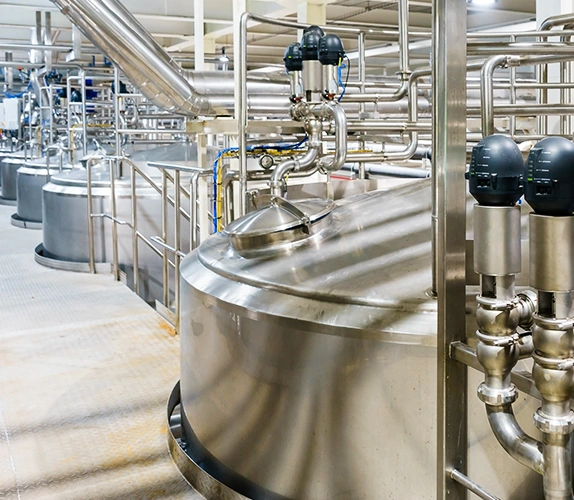


高压 PX
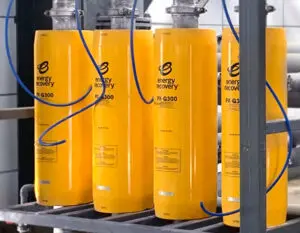
包括我们的黄金标准 PX Q系列,我们的高压 PX 产品为大型和小型反渗透海水淡化(SWRO)系统提供先进的能量回收效率。

MLD 和 ZLD 系统是能耗最高的废水处理工艺之一,高压循环回流与盐度上升会在整个浓缩段带来显著的电力成本。随着浓盐水浓度提高,工艺将变得更加耗能、成本更高;如果没有压力能量回收,项目可行性可能会受到挑战。
PX 从高盐度流体中回收并再利用压力能量。
更低的功率需求可降低全生命周期成本,并减少能源价格波动带来的风险。
凭借 30+ 年的 SWRO 成功经验以及全球已安装的 35,000+ 台 PX 设备,PX 技术可为 MLD/ZLD 系统提供值得信赖、可靠的能量回收解决方案。PX 通常安装在高压 RO 或浓盐水浓缩回路中,在此将浓盐水排放流中的压力能量传递回进水流。
包括我们的黄金标准 PX Q系列,我们的高压 PX 产品为大型和小型反渗透海水淡化(SWRO)系统提供先进的能量回收效率。

在超高压应用中低成本零或最小液体排放(ZLD 或 MLD)废水处理的关键。
MLD (Minimum Liquid Discharge) and ZLD (Zero Liquid Discharge) are wastewater treatment approaches designed to reduce, or fully eliminate, liquid waste leaving a facility. In MLD systems, reverse osmosis and concentration steps shrink brine volumes as much as possible, while ZLD goes further by converting the remaining brine into solids for disposal or recovery. These processes are increasingly used where water is scarce, or discharge regulations are strict, and are often referred to as brine minimization or zero liquid discharge wastewater treatment. A typical MLD/ZLD train includes RO → brine concentration → thermal or crystallization finishing steps.
MLD and ZLD systems operate at progressively higher pressures as wastewater is concentrated and salinity increases, making energy consumption one of the largest contributors to operating cost. Without energy recovery, much of the pressure energy in the high-pressure brine stream is wasted during depressurization. By using an isobaric energy recovery device like the PX Pressure Exchanger, pressure energy from the reject stream is transferred back into the feed stream, significantly reducing power demand in RO and brine concentration stages. This reduction in energy consumption can have a major impact on overall project economics for MLD and ZLD systems.
In MLD and ZLD systems, the PX Pressure Exchanger is typically installed in the high-pressure reverse osmosis or brine concentration loop. At this point in the process, pressures and energy consumption are highest, and the PX transfers pressure energy from the concentrated brine stream directly to the incoming feed stream. This placement allows system designers to reduce pump size and energy demand while maintaining the high pressures required for advanced concentration and brine minimization.
Because MLD and ZLD systems are capital- and energy-intensive, operating cost plays a critical role in determining whether a project is economically feasible. Energy recovery helps reduce the largest recurring cost—power consumption—across the concentration train. In many cases, incorporating pressure energy recovery improves lifecycle cost enough to support project approval, regulatory compliance, and long-term operation under strict discharge or water scarcity conditions.