



High-Pressure PX
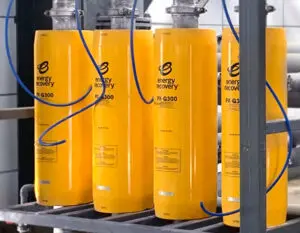
Including our gold-standard PX Q series, our high-pressure PX products provide unmatched energy recovery for large and small...
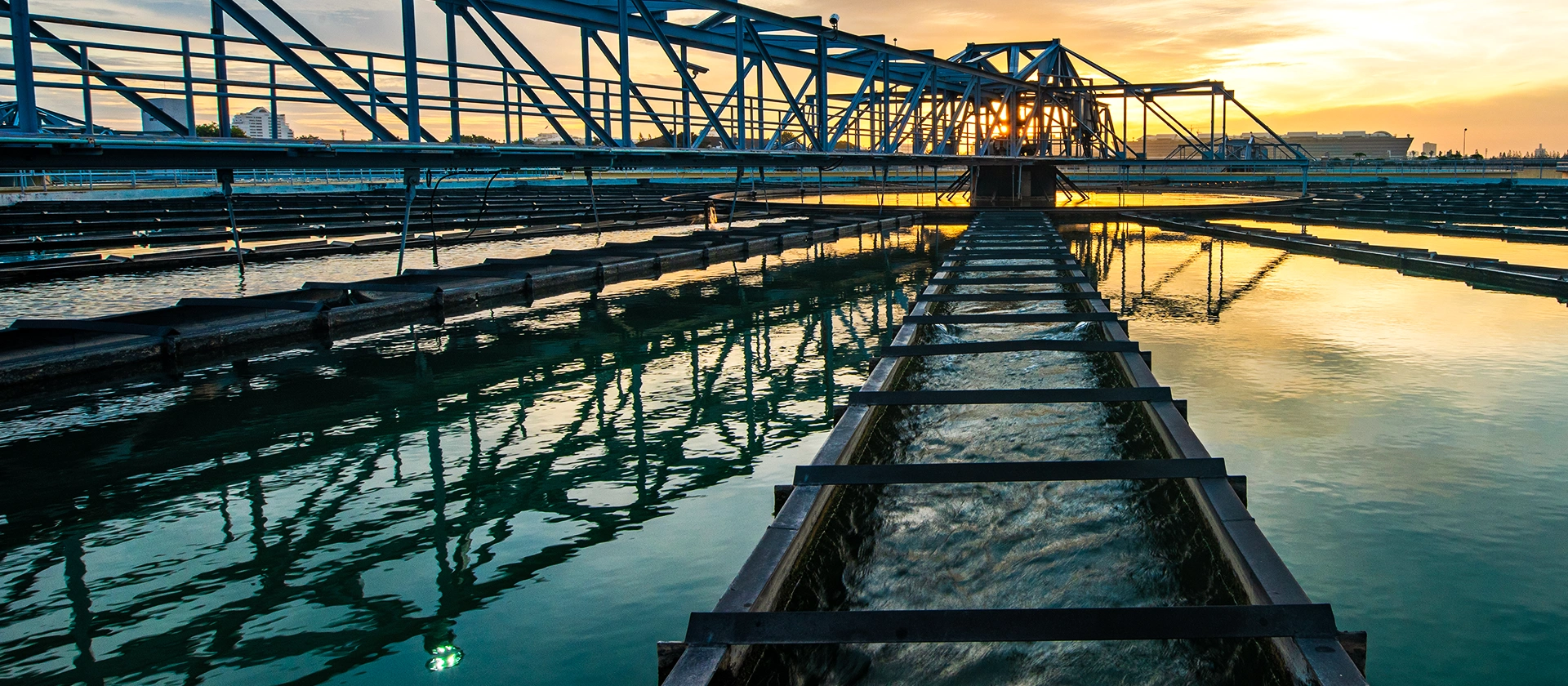
Treating industrial process and wastewater streams often requires operating at higher pressures as salinity or concentration increases through the RO train. As a result, energy consumption becomes one of the largest operating costs in these systems, and design complexity increases. Without efficient pressure energy recovery, projects can face steep OPEX and difficult economics, particularly in high-pressure or concentration-driven applications.
Industrial process and wastewater challenges occur across industries where wastewater is concentrated, corrosive, or salt heavy:

PX recovers and reuses pressure energy in high-pressure RO and concentration loops, reducing the energy required to produce process water, reclaimed water, or recovered water in industrial applications.

By lowering power demand at the highest pressures, PX helps manage lifecycle cost and energy exposure in industrial process water, reuse, and recovery systems where energy is a primary operating cost.

With more than 30 years of experience in high-salinity RO and over 45,000 PX devices installed worldwide, PX technology delivers a trusted, field-proven energy recovery solution for industrial process and wastewater applications. PX is typically installed in the high-pressure RO or brine concentration loop, where it transfers pressure energy from the reject stream back to the feed stream.
Including our gold-standard PX Q series, our high-pressure PX products provide unmatched energy recovery for large and small...

The key to lower energy use in wastewater treatment and reuse for ultra high-pressure applications, helping make zero and minimal...
High solids and harsh process streams (often described as high-TDS or challenging brine wastewater) refer to industrial wastewaters that contain elevated salinity, suspended solids, organics, or aggressive chemistries that make treatment more difficult and expensive. These streams often require high-pressure RO or concentration steps to recover water, reduce disposal volumes, or enable downstream resource recovery. Applications like mining brines, lithium battery wastewater, coal chemical effluent, and other industrial blowdowns commonly fall into this category. Typical treatment trains may include pretreatment → high-pressure RO → brine concentration, depending on the stream and recovery target.
High-solids and harsh process streams often contain elevated salinity, dissolved solids, or aggressive chemistries that require higher operating pressures to treat effectively with reverse osmosis or concentration technologies. As salinity and concentration increase through the treatment train, pumps must work harder to overcome osmotic pressure, driving up energy consumption. Without energy recovery, this increased power demand can make treatment of high-TDS or challenging brine streams prohibitively expensive.
The PX Pressure Exchanger is designed to operate in high-pressure, high-salinity environments by directly transferring pressure energy between process streams rather than relying on rotating equipment or mechanical power conversion. Its isobaric operating principle allows it to maintain high efficiency even as salinity and pressure fluctuate. This makes PX technology well suited for harsh wastewater applications such as mining brines, lithium processing streams, coal chemical effluent, and other severe-duty concentration processes.
In systems treating high-solids or harsh wastewater, pressure energy recovery is typically applied in the high-pressure RO or brine concentration loop. The PX is installed where the concentrated reject stream exits the membranes, capturing pressure energy that would otherwise be lost. This recovered energy is transferred directly to the incoming feed stream, reducing overall pump energy requirements while supporting the high pressures needed for effective treatment.