



Low-Pressure PX
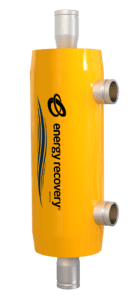
Ideal for brackish water reverse osmosis and water reuse in municipal and industrial applications, our low-pressure PX solutions...

Reuse systems often require significant energy to pressurize RO treatment, especially when plants push for higher recovery to reduce discharge volumes. As feedwater quality varies and recovery targets rise, energy costs can quickly become a major operating expense, making efficiency and pressure energy recovery important to project economics.
Wastewater reuse is widely adopted where facilities need dependable water supplies, lower discharge volumes, or cost-effective treatment for RO-based recycling:

PX recovers and reuses pressure energy in RO reuse systems, lowering the power needed for pressurization.

Reduced energy demand cuts lifecycle cost and makes reuse projects more financially sustainable.

With 30+ years of SWRO success and 35,000+ PX devices installed worldwide, PX technology brings a trusted, reliable energy recovery solution to reuse applications. PX is typically installed in the RO high-pressure loop, where it transfers pressure energy from the reject stream back to the feed stream.
Ideal for brackish water reverse osmosis and water reuse in municipal and industrial applications, our low-pressure PX solutions...
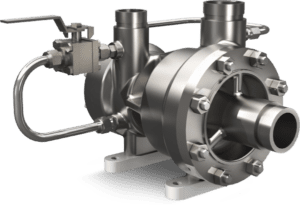
The AT turbocharger is an efficient, versatile, and reliable solution designed with a compact footprint—no instrumentation or...
Wastewater reuse (also called water recycling or industrial water reuse) is the process of treating municipal or industrial wastewater to a quality that allows it to be safely used again for industrial operations, agriculture, or other beneficial purposes instead of being discharged. Reuse systems typically rely on reverse osmosis (RO) to remove dissolved salts and contaminants, enabling a reliable source of water where supply is limited or costs are rising. As water scarcity increases globally, reuse has become a practical way to reduce freshwater demand and improve overall sustainability. Typical reuse trains follow pretreatment → RO polishing → reuse distribution, depending on the required water quality.
Water reuse RO systems move large volumes of water through membranes, which requires pressurizing the feed stream. Even at moderate pressures, that pressurization is one of the biggest operating costs in the plant. By adding an energy recovery device like the PX Pressure Exchanger, pressure energy that would otherwise be wasted in the concentrate stream is transferred back into the incoming feed. This can recover up to 98% of that hydraulic energy, cutting specific energy consumption and lowering total operating cost. In many projects, these energy and cost savings improve lifecycle economics enough to make water reuse more financially viable.
The PX Pressure Exchanger is built with highly durable ceramics that are naturally resistant to corrosion and abrasion from variable reuse water quality. Its simple, non-motorized design is lubricated by the water flowing through it, so there are no rotating assemblies to maintain and no scheduled maintenance required. This combination of robust materials and design simplicity helps the PX deliver consistent uptime and long service life in municipal and industrial reuse systems.
The PX Pressure Exchanger works differently from turbines or booster-type systems. Instead of converting pressure into shaft power and back again, the PX directly transfers pressure from the outgoing concentrate stream to the incoming feed stream through an isobaric exchange. Because the pressure is exchanged directly, the process avoids extra conversion losses and stays highly efficient even when conditions change. For system designers, that means a compact, modular device that can simplify the RO energy-recovery loop and reduce footprint.