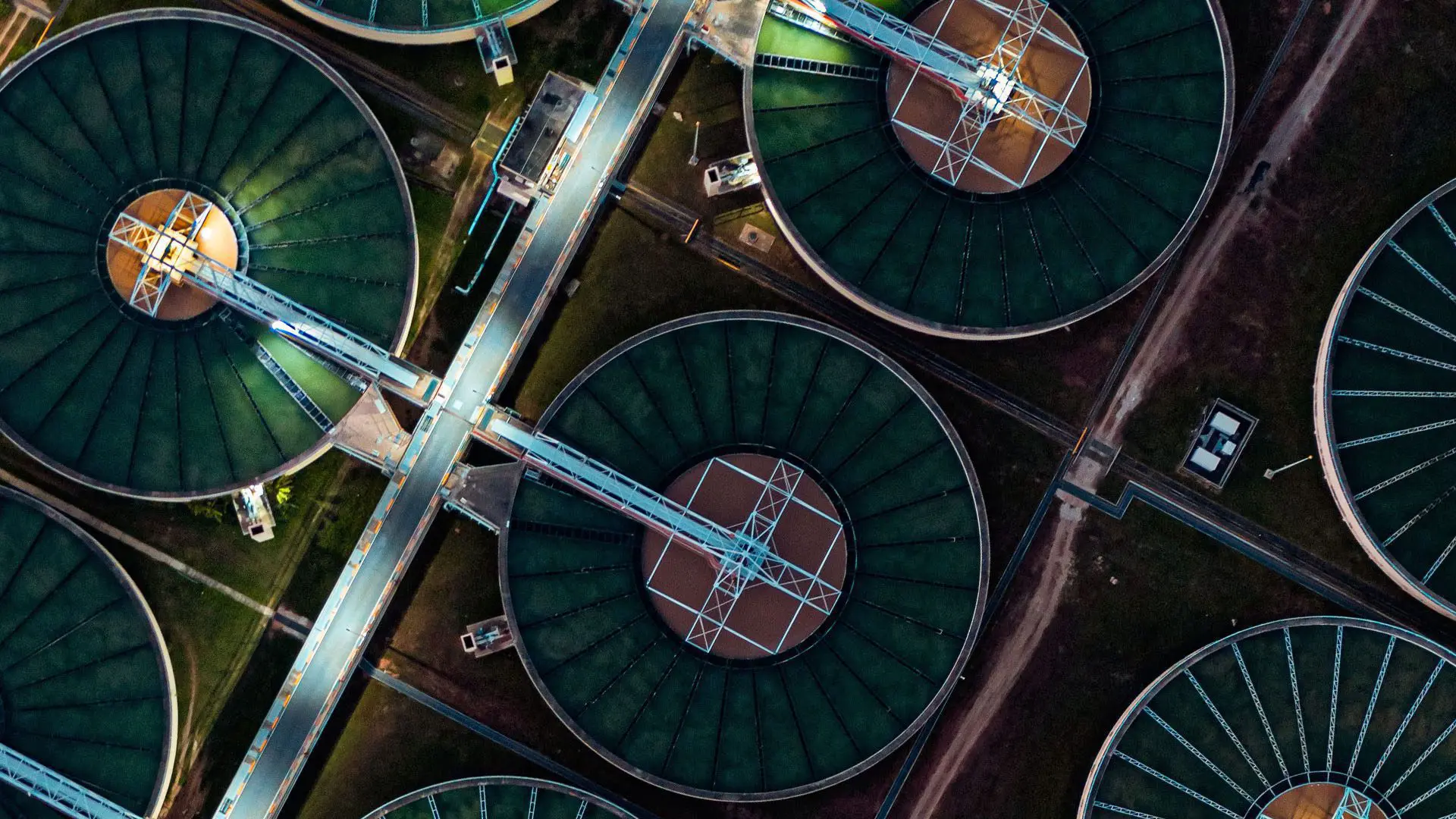

Wastewater
250+ projects with 5,200 energy recovery devices installed in wastewater applications
Across municipal and industrial markets, reclaimed, reused, and desalinated water is increasingly relied on as a reliable supply source. Energy Recovery optimizes the energy use of reverse osmosis in these applications—reducing operating costs and carbon emissions across low-, high-, and ultra high-pressure systems up to 120 bar (1,740 psi).
Lower energy consumption. Lower CO2 emissions. Proven in wastewater and industrial water applications.
Reduce the specific energy footprint of reverse osmosis by 30–60% and deliver energy and cost savings across all plant sizes and pressure levels.
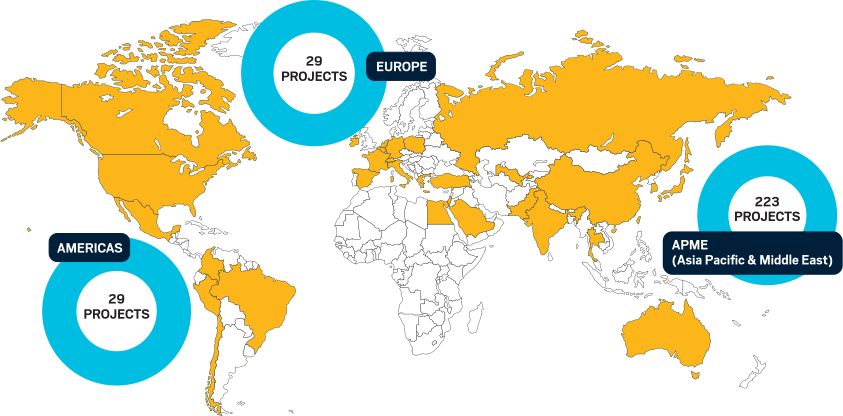

Sustainable Wastewater Treatment

94%
Peak efficiency of U Series
98%
Peak efficiency of PX devices
60%
Peak energy savings from recovering wasted energy
22.5M
Metric tons of carbon emissions avoided by our customers annually
Industry Applications



Resources


Related Products
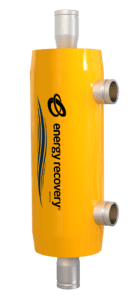
Low-Pressure PX
Ideal for brackish water reverse osmosis and water reuse in municipal and industrial applications, our low-pressure PX solutions…

High-Pressure PX
Including our gold-standard PX Q series, our high-pressure PX products provide unmatched energy recovery for large and small…

Ultra High-Pressure PX
The key to lower energy use in wastewater treatment and reuse for ultra high-pressure applications, helping make zero and minimal…
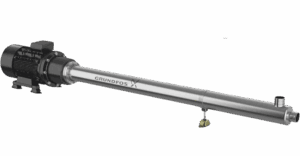
High-Pressure Pumps
Energy Recovery offers the ATMP high-pressure pump, a high speed, multistage feed pump ideal to combine with the Energy Recovery…
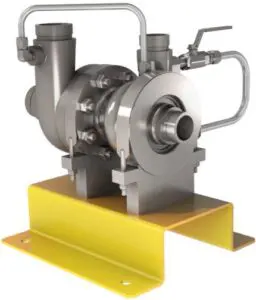
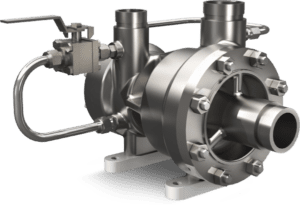
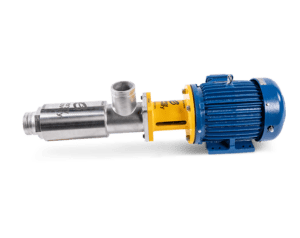
Frequently Asked Questions
The PX Pressure Exchanger recovers up to 98% of hydraulic energy from the high-pressure brine stream and transfers it directly to the feedwater with minimal loss. This can reduce overall energy consumption by up to 60% compared to conventional systems. By maintaining consistent pressure and minimizing pump load, the PX helps operators achieve lower operational costs and improved sustainability metrics without compromising throughput.
Built with corrosion-resistant ceramics and no moving wear parts, the PX is engineered for maximum uptime and a long design life. Its simple design eliminates the need for frequent overhauls or replacements common other ERDs. This reliability ensures consistent plant performance, even with variable feedwater conditions or high-solids wastewater streams.
The compact PX device enables smaller system footprints and simplifies plant layout by reducing high-pressure pump sizing requirements. OEMs benefit from a scalable, modular design that supports system capacities from pilot scale to large municipal installations. The PX not only enhances energy recovery and ROI but also helps customers meet stringent energy-efficiency requirements making it a preferred choice for next-generation industrial and municipal wastewater projects.