


High-Pressure PX
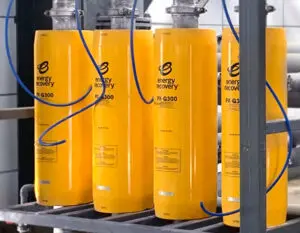
Including our gold-standard PX Q series, our high-pressure PX products provide unmatched energy recovery for large and small...

MLD and ZLD systems are some of the most energy-intensive wastewater processes, with high-pressure recirculation and rising salinity driving steep power costs across the concentration train. As brine strength increases, the process becomes more energy- and cost-intensive, which can challenge project viability without pressure energy recovery.
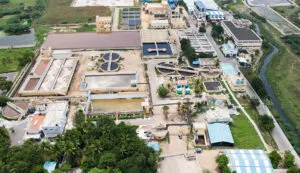
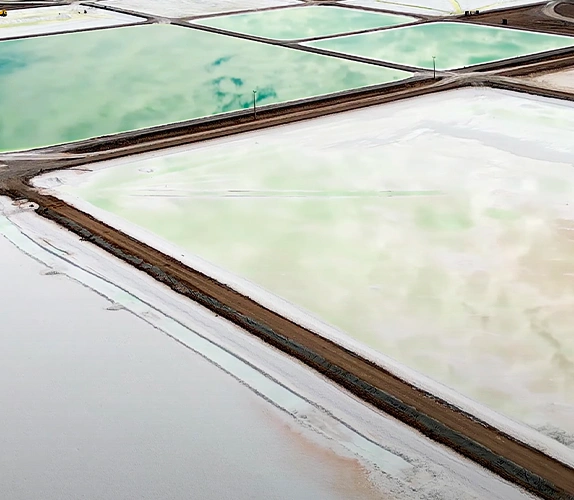
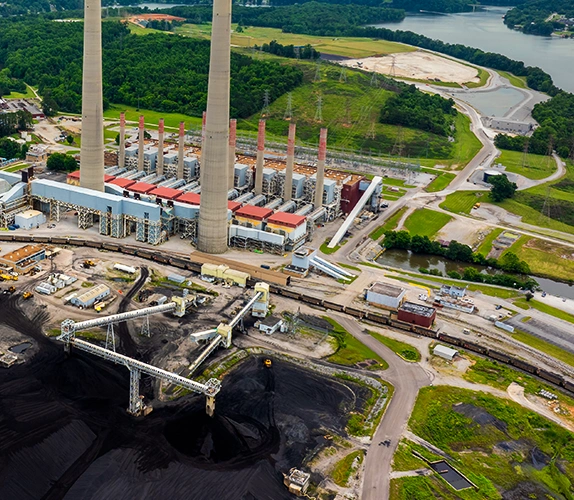
MLD/ZLD is widely deployed in water-intensive industries facing strict discharge limits, high brine volumes, or water scarcity:
PX recovers and reuses pressure energy in RO reuse systems, lowering the power needed for pressurization.
Reduced energy demand cuts lifecycle cost and makes reuse projects more financially sustainable.
With 30+ years of SWRO success and 35,000+ PX devices installed worldwide, PX technology brings a trusted, reliable energy recovery solution to reuse applications. PX is typically installed in the RO high-pressure loop, where it transfers pressure energy from the reject stream back to the feed stream.
Including our gold-standard PX Q series, our high-pressure PX products provide unmatched energy recovery for large and small...

The key to lower energy use in wastewater treatment and reuse for ultra high-pressure applications, helping make zero and minimal...
MLD (Minimum Liquid Discharge) and ZLD (Zero Liquid Discharge) are wastewater treatment approaches designed to reduce, or fully eliminate, liquid waste leaving a facility. In MLD systems, reverse osmosis and concentration steps shrink brine volumes as much as possible, while ZLD goes further by converting the remaining brine into solids for disposal or recovery. These processes are increasingly used where water is scarce, or discharge regulations are strict, and are often referred to as brine minimization or zero liquid discharge wastewater treatment. A typical MLD/ZLD train includes RO → brine concentration → thermal or crystallization finishing steps.
MLD and ZLD systems operate at progressively higher pressures as wastewater is concentrated and salinity increases, making energy consumption one of the largest contributors to operating cost. Without energy recovery, much of the pressure energy in the high-pressure brine stream is wasted during depressurization. By using an isobaric energy recovery device like the PX Pressure Exchanger, pressure energy from the reject stream is transferred back into the feed stream, significantly reducing power demand in RO and brine concentration stages. This reduction in energy consumption can have a major impact on overall project economics for MLD and ZLD systems.
In MLD and ZLD systems, the PX Pressure Exchanger is typically installed in the high-pressure reverse osmosis or brine concentration loop. At this point in the process, pressures and energy consumption are highest, and the PX transfers pressure energy from the concentrated brine stream directly to the incoming feed stream. This placement allows system designers to reduce pump size and energy demand while maintaining the high pressures required for advanced concentration and brine minimization.
Because MLD and ZLD systems are capital- and energy-intensive, operating cost plays a critical role in determining whether a project is economically feasible. Energy recovery helps reduce the largest recurring cost—power consumption—across the concentration train. In many cases, incorporating pressure energy recovery improves lifecycle cost enough to support project approval, regulatory compliance, and long-term operation under strict discharge or water scarcity conditions.